

Outdoor water problems rarely announce themselves politely
Landed homes in Malaysia deal with sediment, intermittent pressure, garden taps that smell off and roofs that dump more rain than drains can gracefully handle. Outdoor filtration and rain catchment are different tools. Mixing them up leads to the wrong tank in the wrong corner of the yard and a maintenance calendar nobody owns after the installer leaves.
Suppliers usually group whole-house and outdoor units together, and an outdoor filtration series for landed homes shows how those categories are split by flow rate, housing size and filter stage. Start with water source and intended use, not with the largest housing on the brochure or the glossiest tank photo.
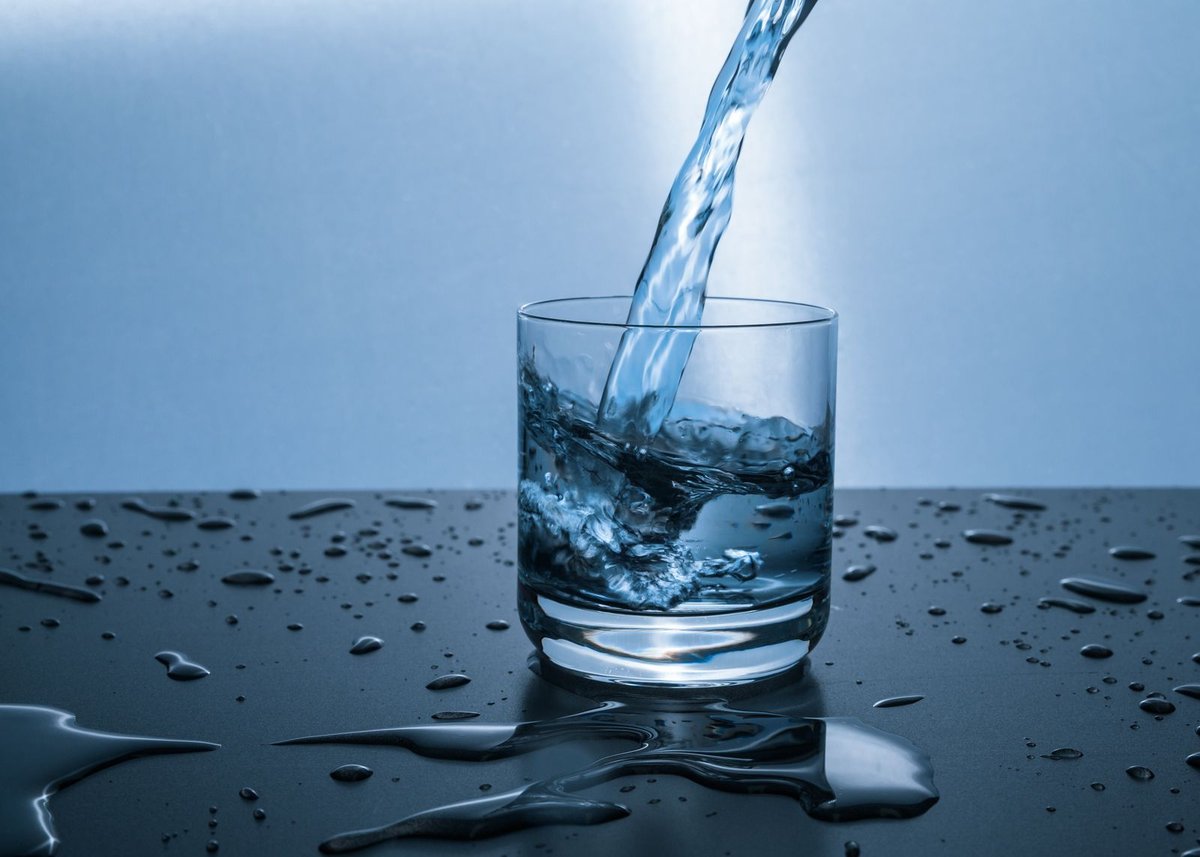
If the goal is drinking water, outdoor pre-filtration and point-of-use drinking filtration usually work as a chain. If the goal is gardening or washing cars, the chain can be simpler and cheaper, and you should not pay drinking-grade prices for irrigation water without a clear reason.
Rain catchment is plumbing plus housekeeping
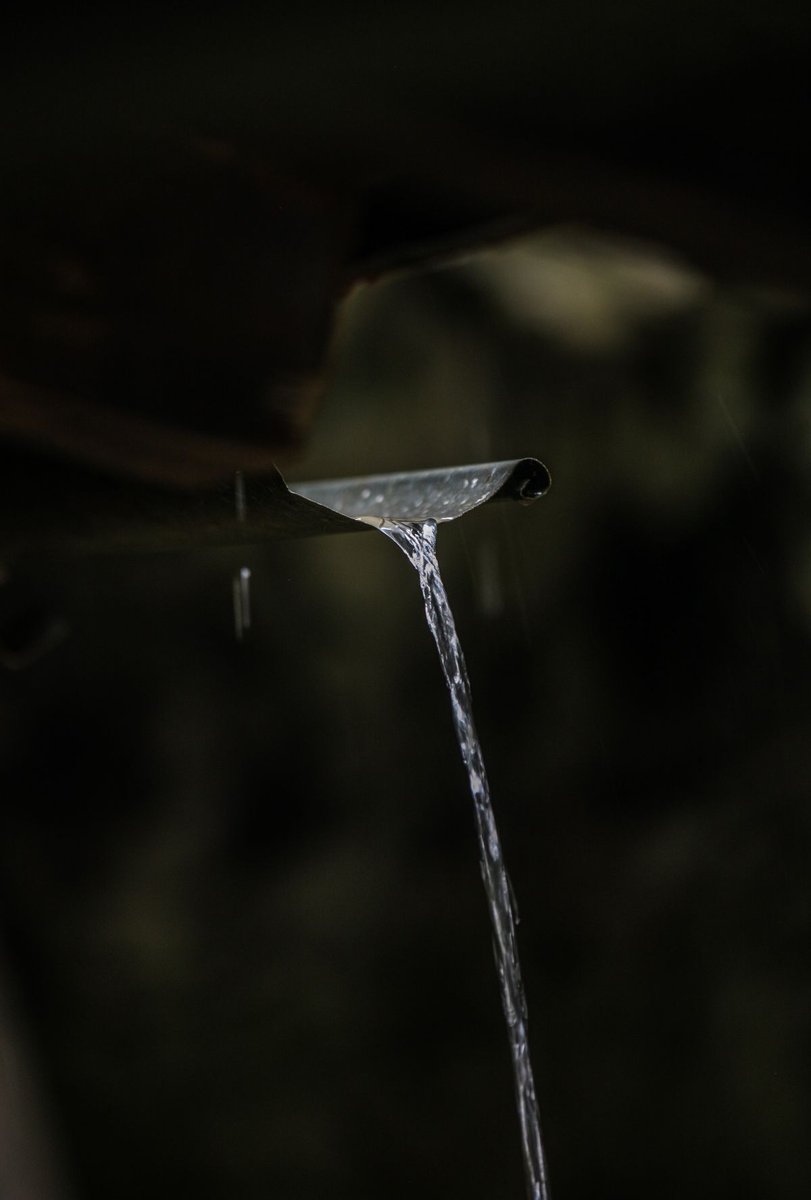
A rain system is more than a tank. Gutters, leaf screens, first-flush diversion, sealed storage, overflow routing and a plan for mosquito control all matter in a humid climate. Any useful rain catchment setup notes for Malaysia roofs should mention those parts. If marketing only shows a photogenic barrel, ask what happens in the first ten minutes of a heavy storm when leaves hit the screens at once. Treat harvested rainwater as non-drinking water unless it is properly filtered and disinfected, and label rain taps clearly for garden and washing use.
A concise systems overview of catchment, storage and reuse.
Environmental references from the Department of Environment Malaysia are a reminder that discharge and site practices sit inside wider environmental rules. Pair that with drinking-water quality framing from the US EPA ground water and drinking water pages when you decide which end uses need higher treatment standards.
Under-sink filters solve a different morning problem
Point-of-use drinking filters live where cups are filled. They do not replace outdoor sediment control, and outdoor units do not automatically make kitchen taps taste better. A clear listing for an under-counter drinking filter range should state what contaminants a cartridge targets and how often parts change in real household use.
Housing and water-use statistics from the Department of Statistics Malaysia will not pick a brand for you, but they keep household water conversations tied to real usage patterns rather than fear marketing. Label every filter housing with install date using waterproof tape so the next service person is not guessing from faded scribbles.
A simple decision order for Malaysian homes
First, name the end use: garden, washing, cooking or drinking. Second, test or at least describe the source water problems you actually see. Third, decide where filtration must sit on the property. Fourth, budget for cartridges, sanitising and annual checks, not only for the tank photo that impressed relatives on social media.
Installers who talk maintenance schedules without prompting are usually safer than installers who only talk flow rates. Ask who supplies replacement parts locally and how long typical cartridges last in your water conditions, then write the answer into the same notebook as the quote.
What to verify on installation day
Confirm bypass valves, labelled tubing, accessible cartridge housings and a written changeout calendar. Ask where overflow goes during a downpour. Run water and listen for hammering pipes. Take photos of the finished layout before panels close so future you can find shutoffs without tearing cabinets apart.
Revisit the system after the first heavy storm and after the first dry month. Those two stress tests reveal overflow mistakes and neglected cartridge schedules faster than any brochure FAQ. Outdoor water projects fail quietly when nobody owns the maintenance calendar, so put the next service date in your phone before the installer leaves the driveway for good.