

Green finance in plain language for Malaysian SMEs
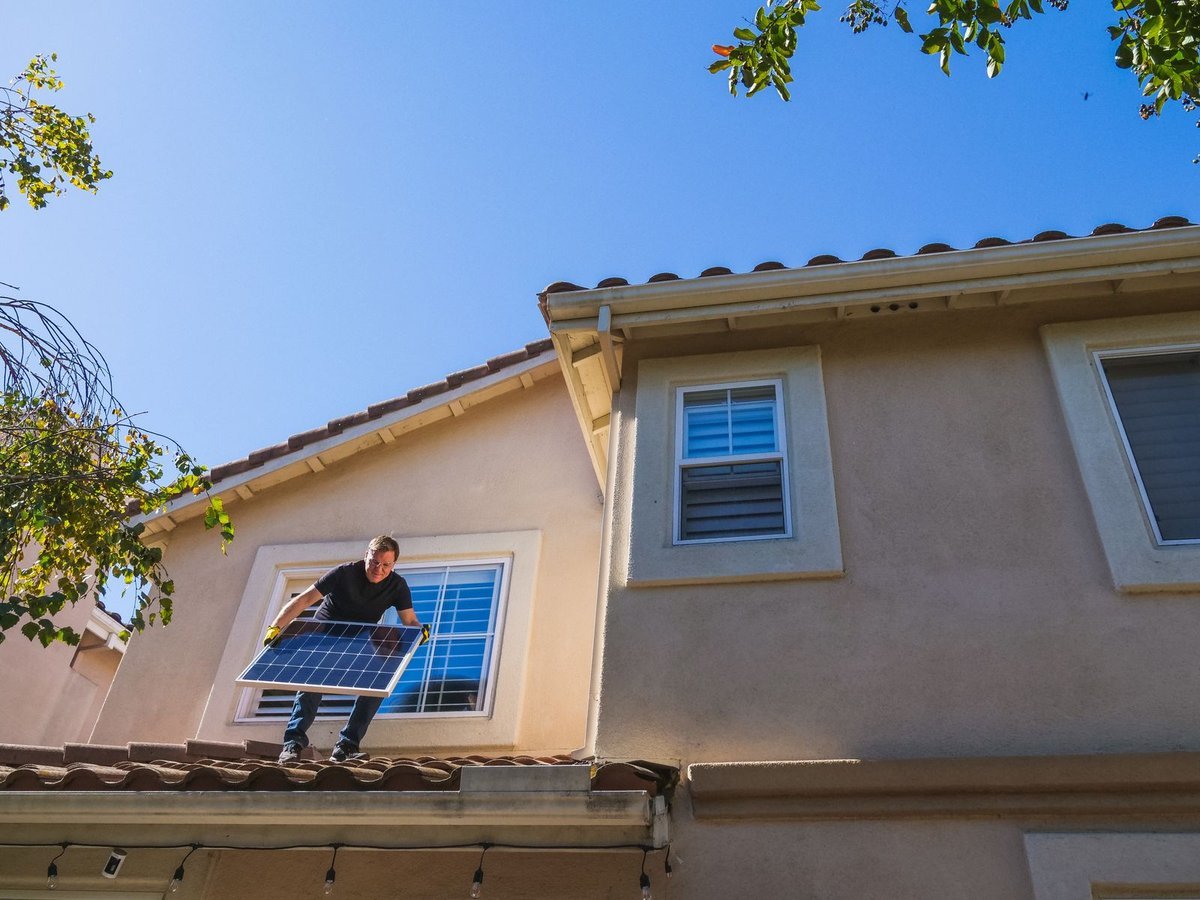
Green finance is money steered toward activities that reduce environmental harm or improve resource efficiency. For a small manufacturer in Selangor, that might mean more efficient motors, solar on a roof, or cleaner fleet choices. For a services firm, it might mean certified building upgrades or better waste handling contracts. The label on a brochure matters less than documented use of proceeds and measurable outcomes lenders can review without guessing.
Product pages describing green finance style offerings help owners see how banks classify eligible projects. Read eligibility lists carefully. A renovation that feels eco in conversation may still fall outside a scheme written criteria, especially when invoices mix lifestyle furniture with efficiency equipment.
Bank Negara Malaysia publishes climate and sustainable finance expectations for the banking system. The Securities Commission Malaysia also frames sustainable capital-market guidance that shapes how green labels are used across the market. Use regulator materials to learn vocabulary, then match every claim to your own facility letter rather than to a social media summary.
Where SME working capital still sits
Many owners first need ordinary working capital before they can schedule an efficiency retrofit. Cash for inventory, payroll, and receivables gaps remains the day-to-day constraint. A clear map of SME loan product families helps you separate short-term facilities from longer project finance. Mixing both aims in one rushed application often produces incomplete documents and delayed decisions that frustrate both sides.
Prepare management accounts, bank statements, and a one-page use-of-funds note before the first banker meeting. Vague green stories without invoices will not survive credit review. If cash is tight this month, say so early so tenure suggestions stay realistic and repayment calendars do not collide with festive payroll spikes.
Low-carbon transition as a planning theme
Low-carbon transition is the gradual shift of operations toward lower emissions intensity. It is a multi-year process, not a single invoice. Programmes and facilities that support that shift may ask for baselines, monitoring plans, and evidence that funds did not drift into unrelated spending. Background on a low carbon oriented programme can show how banks talk about impact, while your accountant translates that talk into ledgers your auditor can follow.
Start with the highest energy cost line items. A compressor upgrade with metered savings is easier to document than a diffuse culture change claim. Photograph nameplates and keep utility bills for the baseline year so later comparisons are not invented from memory.
Documents bankers repeatedly ask for
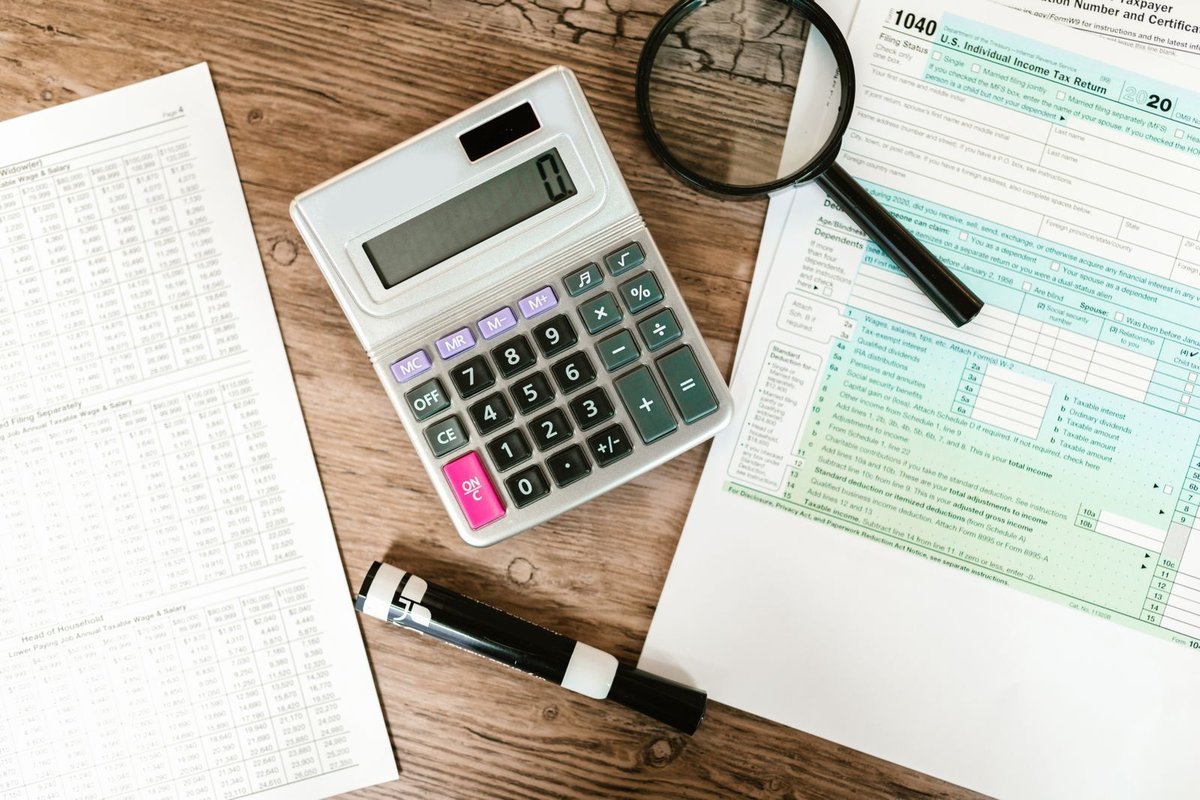
Expect identity documents, business registration, financial statements, tax filings, and supplier quotations for capital expenditure. For green-labelled facilities, add technical specifications, contractor credentials, and a simple measurement plan. Keep digital folders named by facility so renewals are not archaeological digs through old email threads.
If a consultant drafts an impact narrative, ensure numbers reconcile to invoices. Credit teams read inconsistencies faster than marketing copy. A short cover note that points to file names saves relationship managers time and reduces follow-up calls during busy weeks.
Sequencing money decisions this quarter
List urgent liquidity needs apart from efficiency projects. Secure working capital clarity first if payroll is tight. Then shortlist one measurable upgrade with quotes from two vendors. Present both tracks honestly to your relationship manager so pricing and tenure expectations stay realistic. Sustainable finance works best when it is boring, documented, and tied to operations you already understand rather than to slogans borrowed from a conference slide. Owners who keep a living spreadsheet of energy costs find green facility talks shorter and more precise the next quarter.