
Outdoor Water Filters and Rain Catchment for Malaysian Homes

Outdoor water problems rarely announce themselves politely

Landed homes in Malaysia deal with sediment, intermittent pressure, garden taps that smell off and roofs that dump more rain than drains can gracefully handle. Outdoor filtration and rain catchment are different tools. Mixing them up leads to the wrong tank in the wrong corner of the yard and a maintenance calendar nobody owns after the installer leaves.

Suppliers usually group whole-house and outdoor units together, and an outdoor filtration series for landed homes shows how those categories are split by flow rate, housing size and filter stage. Start with water source and intended use, not with the largest housing on the brochure or the glossiest tank photo.

Water being poured into a clear glass on a dark wet table against a blue background
Clarity is only one clue. Taste, odour and lab tests still matter for drinking goals.

If the goal is drinking water, outdoor pre-filtration and point-of-use drinking filtration usually work as a chain. If the goal is gardening or washing cars, the chain can be simpler and cheaper, and you should not pay drinking-grade prices for irrigation water without a clear reason.

Rain catchment is plumbing plus housekeeping

A rain system is more than a tank. Gutters, leaf screens, first-flush diversion, sealed storage, overflow routing and a plan for mosquito control all matter in a humid climate. Any useful rain catchment setup notes for Malaysia roofs should mention those parts. If marketing only shows a photogenic barrel, ask what happens in the first ten minutes of a heavy storm when leaves hit the screens at once. Treat harvested rainwater as non-drinking water unless it is properly filtered and disinfected, and label rain taps clearly for garden and washing use.

A concise systems overview of catchment, storage and reuse.

Rainwater pouring in a steady stream from the end of a metal roof gutter
Every gutter outlet is a collection point; the question is where that water goes next and how clean it arrives.

Environmental references from the Department of Environment Malaysia are a reminder that discharge and site practices sit inside wider environmental rules. Pair that with drinking-water quality framing from the US EPA ground water and drinking water pages when you decide which end uses need higher treatment standards.

Under-sink filters solve a different morning problem

Point-of-use drinking filters live where cups are filled. They do not replace outdoor sediment control, and outdoor units do not automatically make kitchen taps taste better. A clear listing for an under-counter drinking filter range should state what contaminants a cartridge targets and how often parts change in real household use.

Housing and water-use statistics from the Department of Statistics Malaysia will not pick a brand for you, but they keep household water conversations tied to real usage patterns rather than fear marketing. Label every filter housing with install date using waterproof tape so the next service person is not guessing from faded scribbles.

A simple decision order for Malaysian homes

First, name the end use: garden, washing, cooking or drinking. Second, test or at least describe the source water problems you actually see. Third, decide where filtration must sit on the property. Fourth, budget for cartridges, sanitising and annual checks, not only for the tank photo that impressed relatives on social media.

Installers who talk maintenance schedules without prompting are usually safer than installers who only talk flow rates. Ask who supplies replacement parts locally and how long typical cartridges last in your water conditions, then write the answer into the same notebook as the quote.

What to verify on installation day

Confirm bypass valves, labelled tubing, accessible cartridge housings and a written changeout calendar. Ask where overflow goes during a downpour. Run water and listen for hammering pipes. Take photos of the finished layout before panels close so future you can find shutoffs without tearing cabinets apart.

Revisit the system after the first heavy storm and after the first dry month. Those two stress tests reveal overflow mistakes and neglected cartridge schedules faster than any brochure FAQ. Outdoor water projects fail quietly when nobody owns the maintenance calendar, so put the next service date in your phone before the installer leaves the driveway for good.
Green Finance and SME Funding Checks in Malaysia

Green finance in plain language for Malaysian SMEs

Green finance is money steered toward activities that reduce environmental harm or improve resource efficiency. For a small manufacturer in Selangor, that might mean more efficient motors, solar on a roof, or cleaner fleet choices. For a services firm, it might mean certified building upgrades or better waste handling contracts. The label on a brochure matters less than documented use of proceeds and measurable outcomes lenders can review without guessing.

Product pages describing green finance style offerings help owners see how banks classify eligible projects. Read eligibility lists carefully. A renovation that feels eco in conversation may still fall outside a scheme written criteria, especially when invoices mix lifestyle furniture with efficiency equipment.

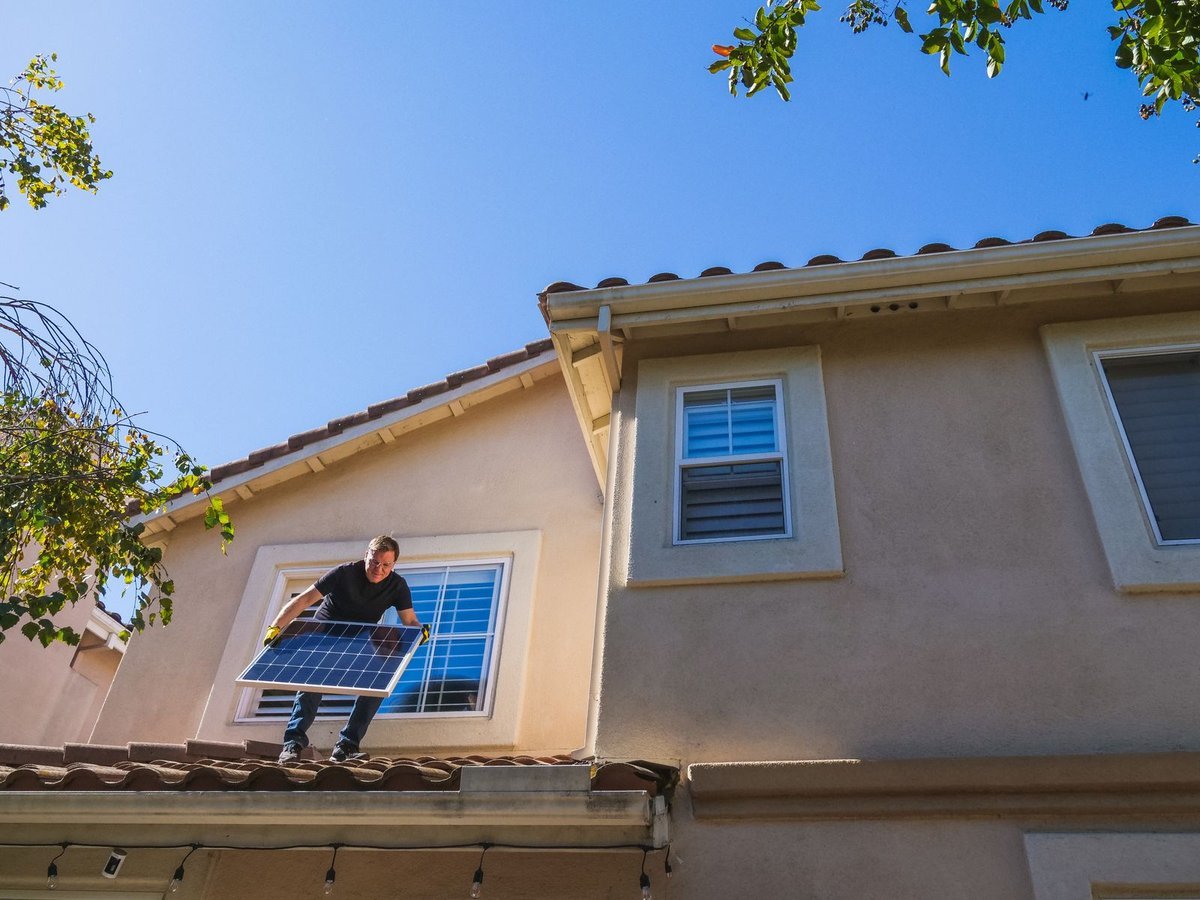
Technician on a tiled roof holding a solar panel under a clear blue sky
Define the eligible green use first – equipment, savings metric, then the financing ask.

Bank Negara Malaysia publishes climate and sustainable finance expectations for the banking system. The Securities Commission Malaysia also frames sustainable capital-market guidance that shapes how green labels are used across the market. Use regulator materials to learn vocabulary, then match every claim to your own facility letter rather than to a social media summary.

Where SME working capital still sits

Many owners first need ordinary working capital before they can schedule an efficiency retrofit. Cash for inventory, payroll, and receivables gaps remains the day-to-day constraint. A clear map of SME loan product families helps you separate short-term facilities from longer project finance. Mixing both aims in one rushed application often produces incomplete documents and delayed decisions that frustrate both sides.

Prepare management accounts, bank statements, and a one-page use-of-funds note before the first banker meeting. Vague green stories without invoices will not survive credit review. If cash is tight this month, say so early so tenure suggestions stay realistic and repayment calendars do not collide with festive payroll spikes.

Educational overview of green finance concepts for non-specialist listeners.

Low-carbon transition as a planning theme

Low-carbon transition is the gradual shift of operations toward lower emissions intensity. It is a multi-year process, not a single invoice. Programmes and facilities that support that shift may ask for baselines, monitoring plans, and evidence that funds did not drift into unrelated spending. Background on a low carbon oriented programme can show how banks talk about impact, while your accountant translates that talk into ledgers your auditor can follow.

Start with the highest energy cost line items. A compressor upgrade with metered savings is easier to document than a diffuse culture change claim. Photograph nameplates and keep utility bills for the baseline year so later comparisons are not invented from memory.

Documents bankers repeatedly ask for

Expect identity documents, business registration, financial statements, tax filings, and supplier quotations for capital expenditure. For green-labelled facilities, add technical specifications, contractor credentials, and a simple measurement plan. Keep digital folders named by facility so renewals are not archaeological digs through old email threads.

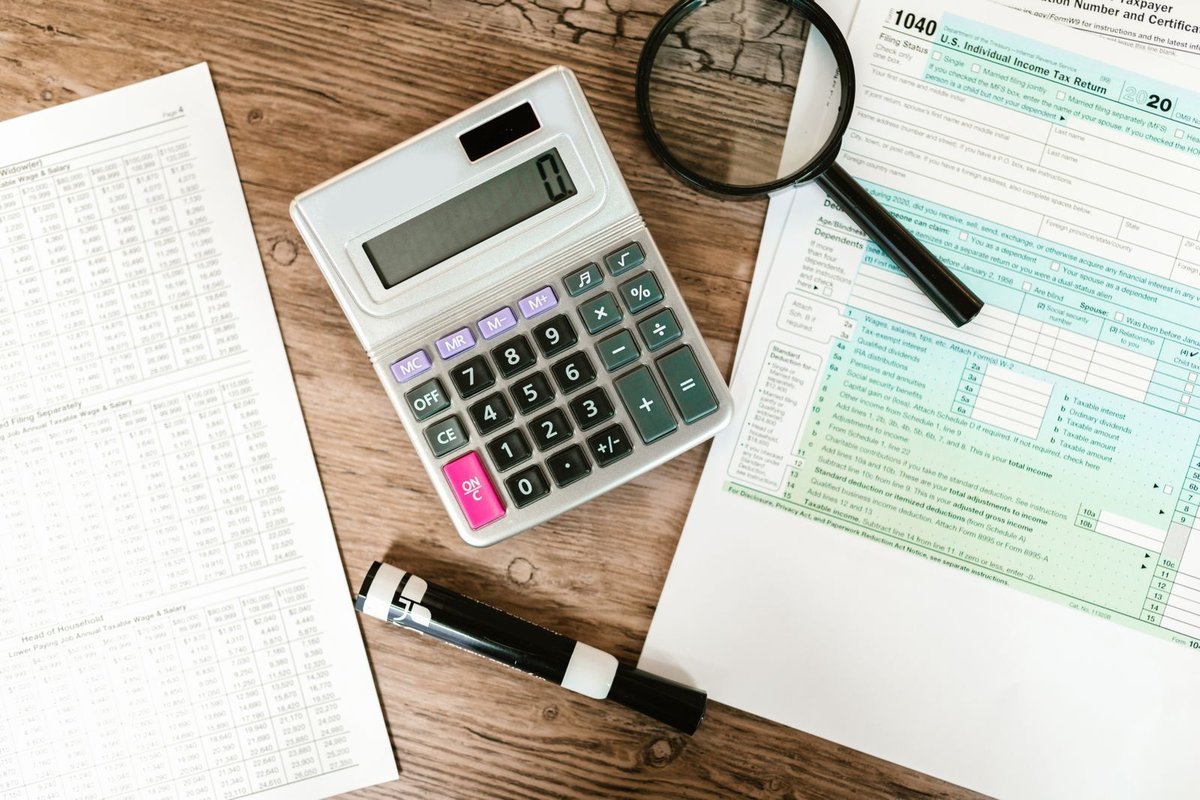
Calculator, magnifying glass, and financial forms arranged on a wooden desk
Bankers still ask for the same cash and document trail even when the use of funds is green.

If a consultant drafts an impact narrative, ensure numbers reconcile to invoices. Credit teams read inconsistencies faster than marketing copy. A short cover note that points to file names saves relationship managers time and reduces follow-up calls during busy weeks.

Sequencing money decisions this quarter

List urgent liquidity needs apart from efficiency projects. Secure working capital clarity first if payroll is tight. Then shortlist one measurable upgrade with quotes from two vendors. Present both tracks honestly to your relationship manager so pricing and tenure expectations stay realistic. Sustainable finance works best when it is boring, documented, and tied to operations you already understand rather than to slogans borrowed from a conference slide. Owners who keep a living spreadsheet of energy costs find green facility talks shorter and more precise the next quarter.